Why empty homes take the worst damage
A leak in an occupied home gets noticed in hours. In a vacation home or a snowbird's house, the same leak can run until the next guest, cleaner or owner visit. By then the water has spread under floors and mold has had days to start.
The three sources we see most
Air handler drain lines that clog while the AC runs all summer, washer and ice maker supply lines, and water heaters in garages. All three can fail with nobody home and no warning.
Cheap sensors that pay for themselves
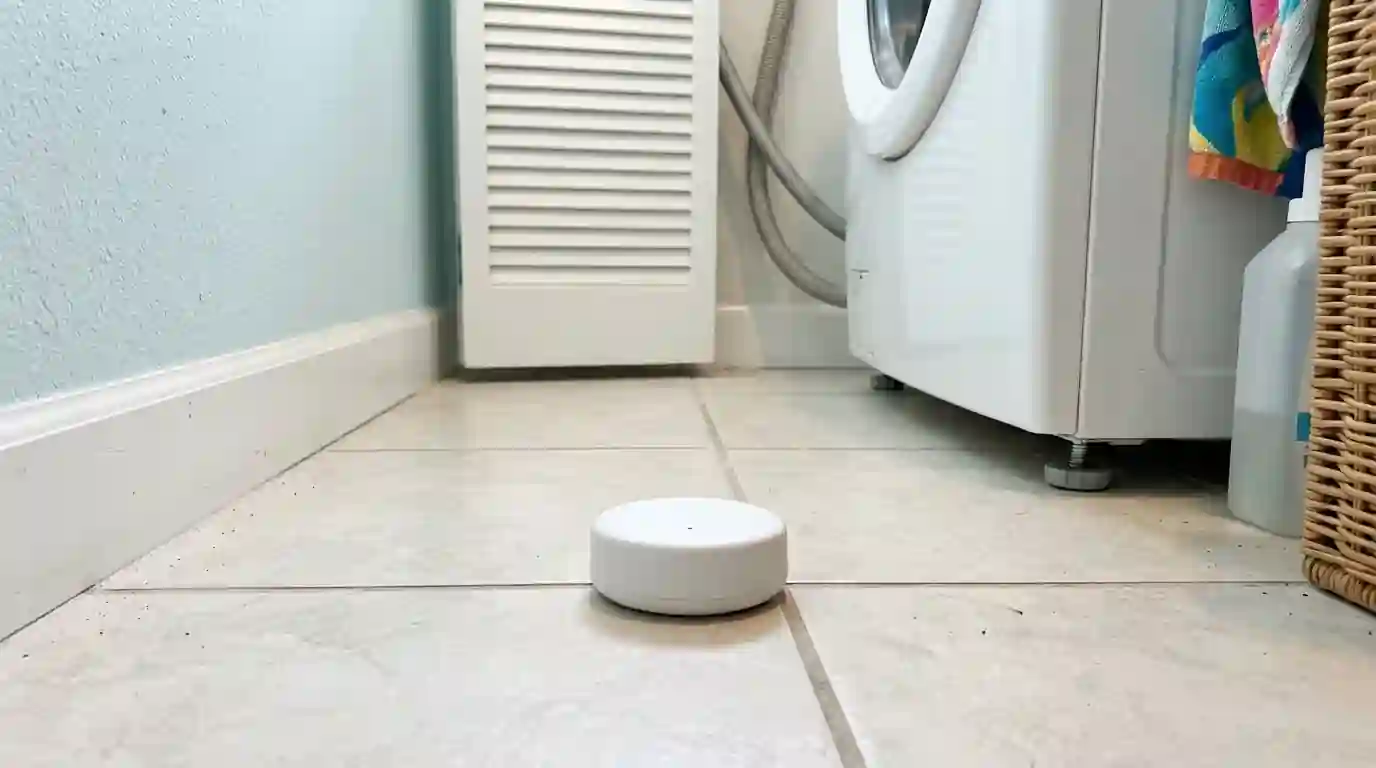
Water sensors that send a phone alert cost little and sit under the water heater, the washer, the sink bases and the air handler. A smart shutoff valve on the main line can close automatically when a sensor trips.
Settings before you leave
Keep the AC running, usually around 78 to 80 degrees, so the house stays dry. Turn off the water heater or set it to vacation mode. Many owners shut off the main water valve when the home will be empty for weeks.
Who has the key
Make sure your property manager or a neighbor can let a crew in at night. Time spent finding a key is time the water keeps spreading.
Quick answers
Should I shut off the water when my vacation home is empty?
Many owners do for long absences. If the irrigation or a pool system needs water, ask your plumber about a valve that isolates the house.
Do leak sensors work without Wi-Fi?
Some sound a local alarm only. For an empty home, a sensor that sends an alert to your phone is far more useful.