Stucco is not waterproof
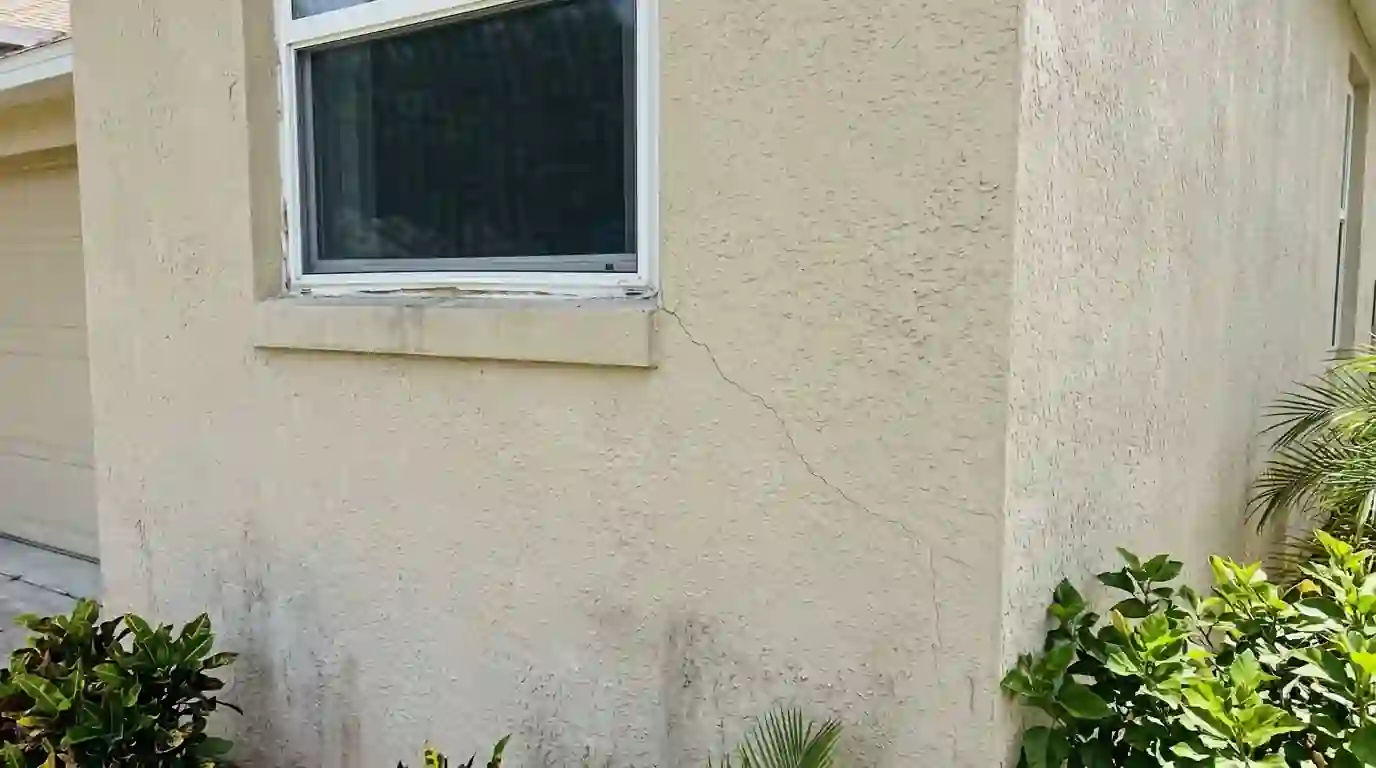
Stucco sheds most rain, but it is porous and it cracks as homes settle and heat up and cool down. Wind-driven rain pushes water into those cracks, and it collects behind the finish.
Where to look outside
Check the corners of windows and doors, where cracks usually start, plus around hose bibs, light fixtures and dryer vents. Look for stains under windows and paint that has gone chalky or thin.
Signs inside
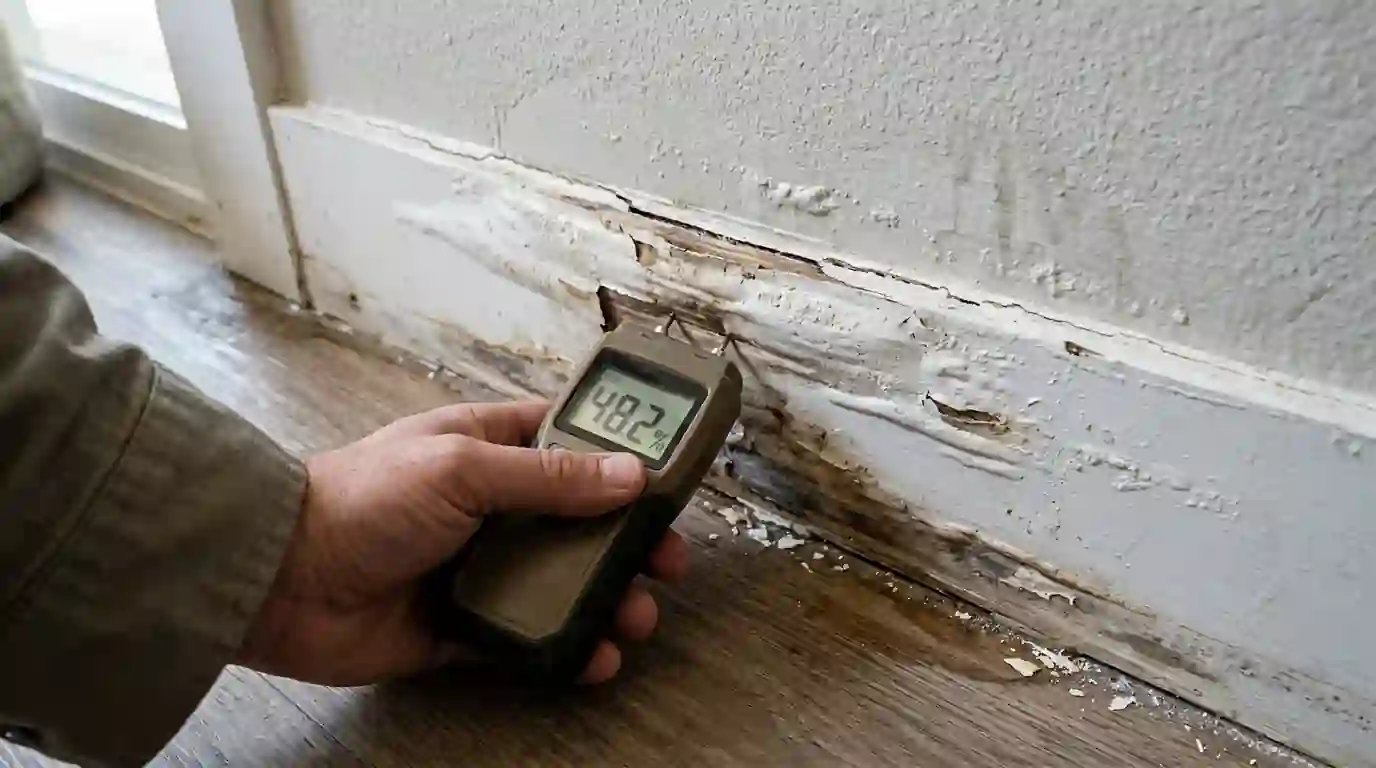
Swollen baseboards along an exterior wall, paint bubbling low on the wall, and a musty smell on one side of the house after storms all point to water getting in from outside.
When a crack matters
Hairline cracks are common and are often sealed and painted. Wider cracks, cracks that keep growing, or any crack with water stains below it are worth having checked, because water may already be behind it.
Fix the outside, dry the inside
Sealing the crack stops new water. Water already inside the wall still needs to be dried, and any mold behind the drywall needs to come out.
Quick answers
How often should stucco be repainted in Florida?
Many homes are repainted every 7 to 10 years. Good paint and sealed cracks keep a lot of water out.
Can I seal stucco cracks myself?
Small hairline cracks are often sealed with an elastomeric patch. Larger or recurring cracks are best looked at by a stucco contractor.