Two different jobs
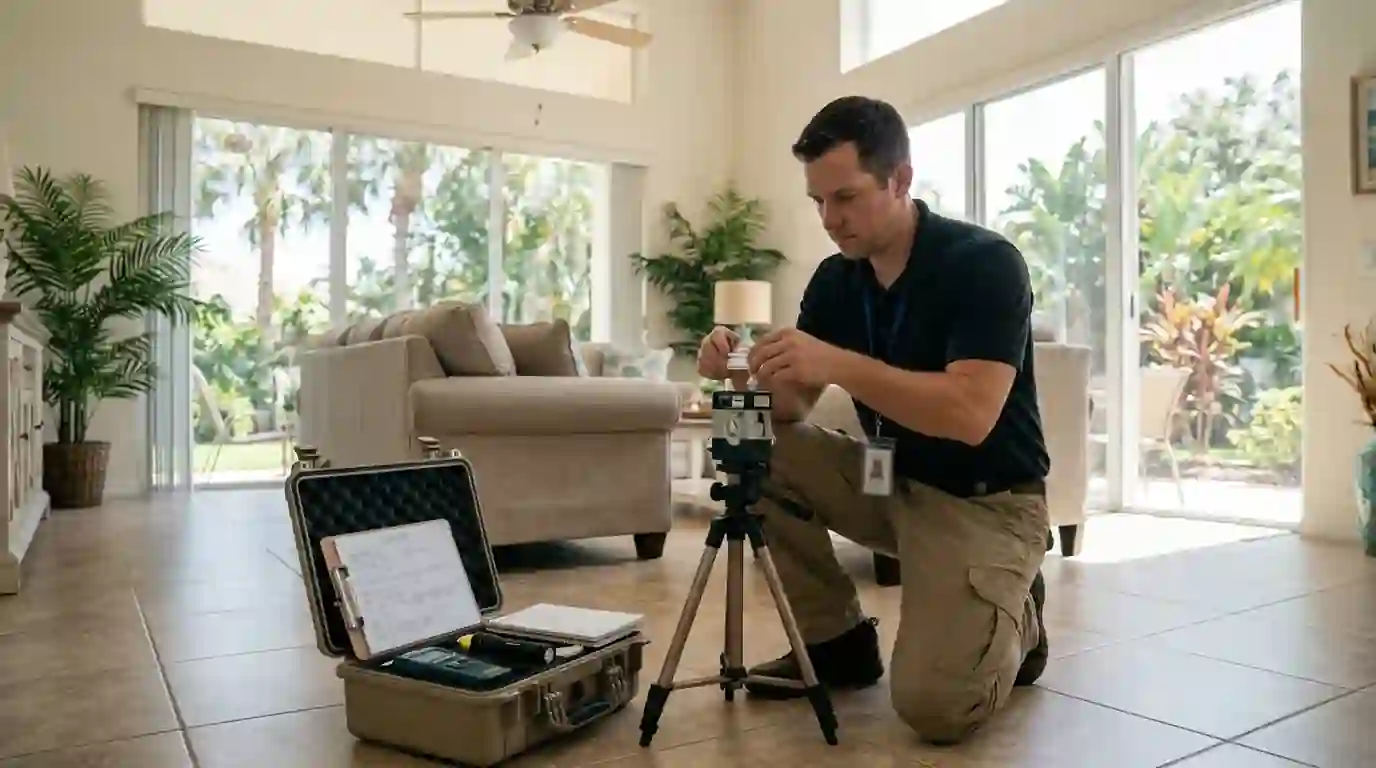
A mold inspection, the way we do it, is a visual and moisture check. We look for growth and find where water is coming from. Mold testing means taking air or surface samples and sending them to a lab.
Why Florida keeps them apart
Florida law keeps mold assessment and mold remediation separate on the same property: the assessor who tests and writes the plan should not be the company that does the removal. It protects homeowners from paying someone to find a problem they then profit from fixing.
When testing helps
Testing is useful when you smell mold but cannot see it, when health concerns call for it, after remediation when you want clearance, or when a buyer or landlord wants proof.
When it may not be needed
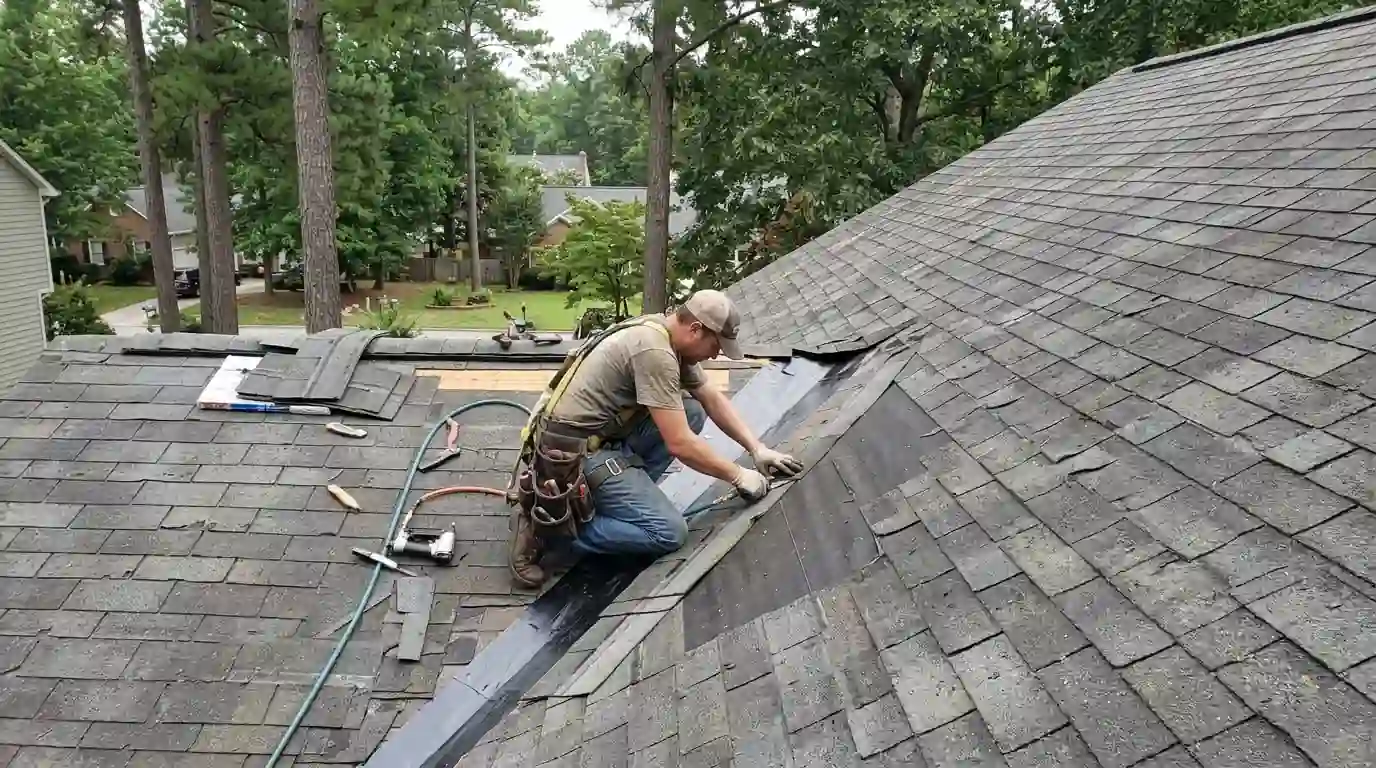
If you can see mold from a known leak, the next step is usually to fix the leak and remove the mold. Testing will confirm what you already know.
Questions to ask either one
What do you think the moisture source is? What areas will be removed and why? How will containment work in my home? What does clearance mean on this job, and who decides the job is done? Clear answers to these tell you more than any single test result.
Quick answers
Who should I call first, an assessor or a remediation company?
If the cause is unclear or testing is needed, an independent assessor first. If the mold and leak are obvious, many people start with a remediation company.
Does a clean test mean the job is done?
A clearance test after remediation is one good check, along with dry readings and a fixed moisture source.